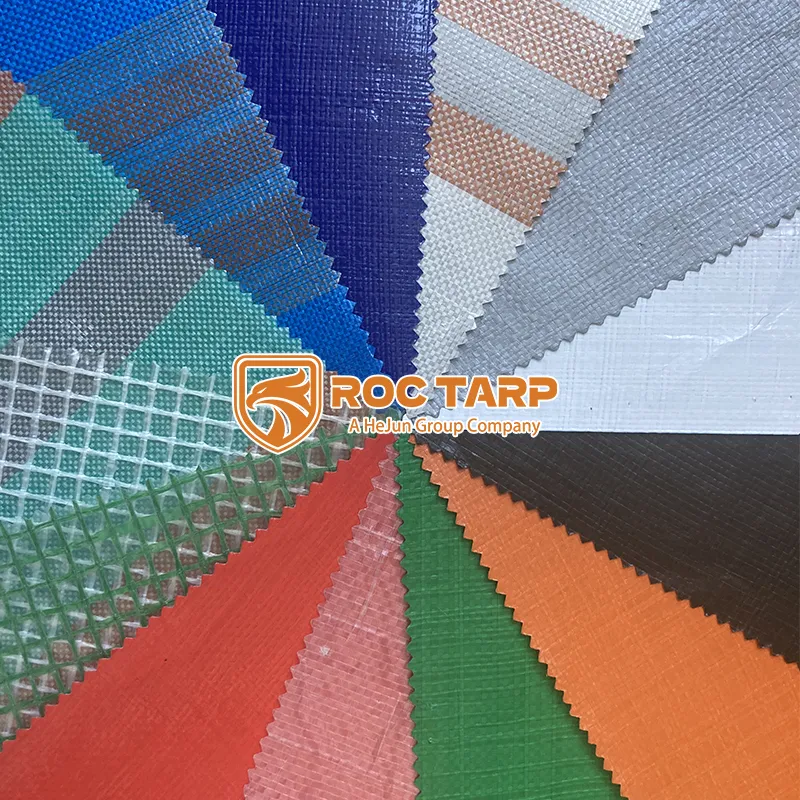
The eyelet is the only place the load touches the sheet.

300 mm spacing as standard
Reinforced along the line
Punched, not pierced
What the eyelet line decides
Load at an eyelet is not shared evenly. In a wind-loaded cover the two corner eyelets on the windward edge can take several times the average pull, and they are the first to elongate. Once one hole opens, the sheet starts to flap locally, and a local flap becomes a torn panel within days.
The fixes are cheap if they are designed in: tighter spacing where the load concentrates, a deeper hem, and a reinforcement tape along the line. They are expensive if they are discovered on site.
Eyelet spacing
Hem depth
Edge distance
Reinforcement
Eyelet type
Hole size
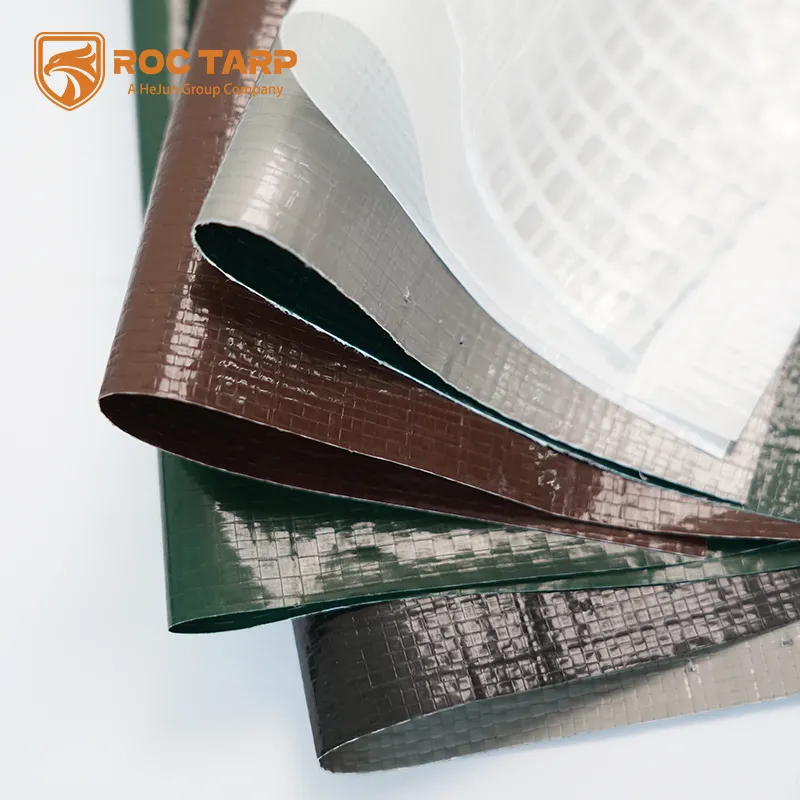
Hem welded

Reinforcement applied
Punched and set
From hem to finished eyelet line
Spacing agreed
Hem welded and line marked
Punched and checked
What the eyelet bites into
Coated metal eyelet
Reinforcement tape
Edge treatments that protect the line

Welded hem

Corner reinforcement
Full-length edge tape
Eyelet spacing
Edge distance
Hem depth
Hole size
What to settle before we punch
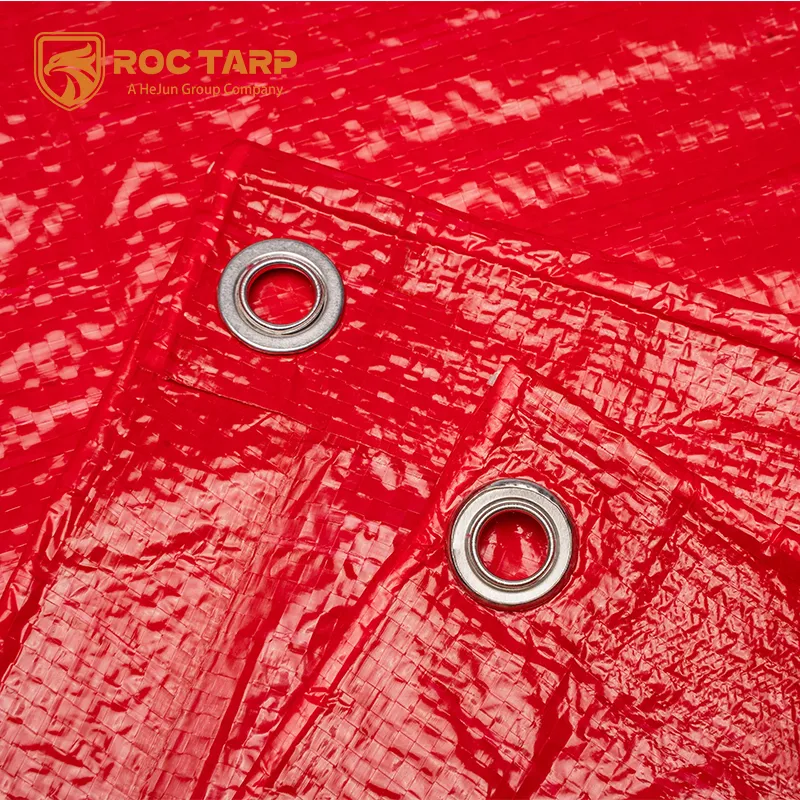
Spacing follows load
Name the fixing
Corners first
Do not lift with eyelets
What is checked after punching
Eyelet work fails in two ways: the fitting crushes the fabric so the hole edges cut themselves, or the eyelet is set loose and spins, wearing through the coating until water gets in.
Both are caught by hand. Every line is checked for crush and spin, and the spacing is measured across the whole edge rather than sampled in the middle.