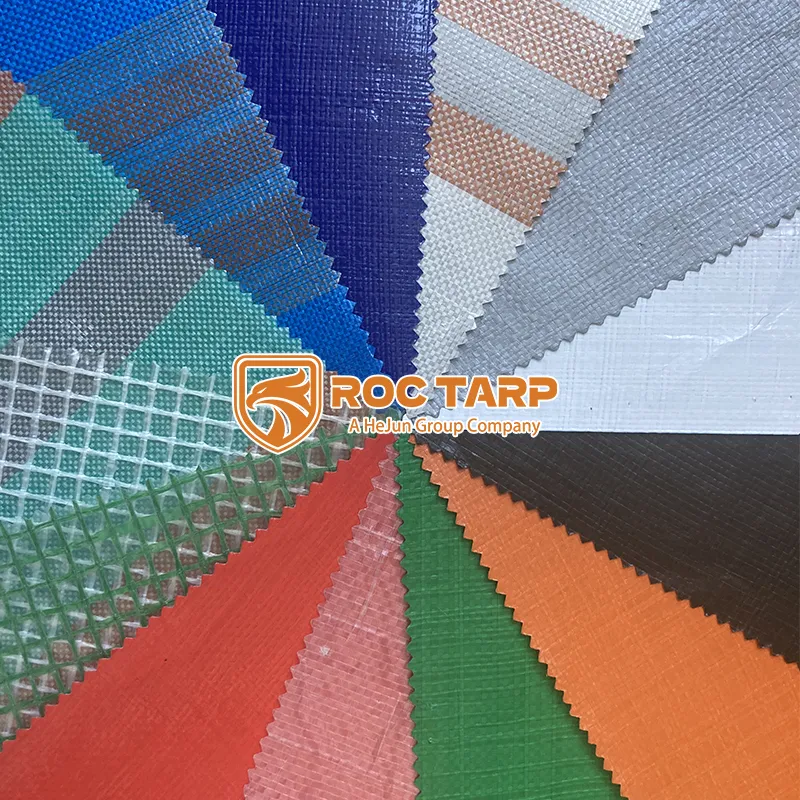
Tape extrusion and warping, before anyone talks about weight.
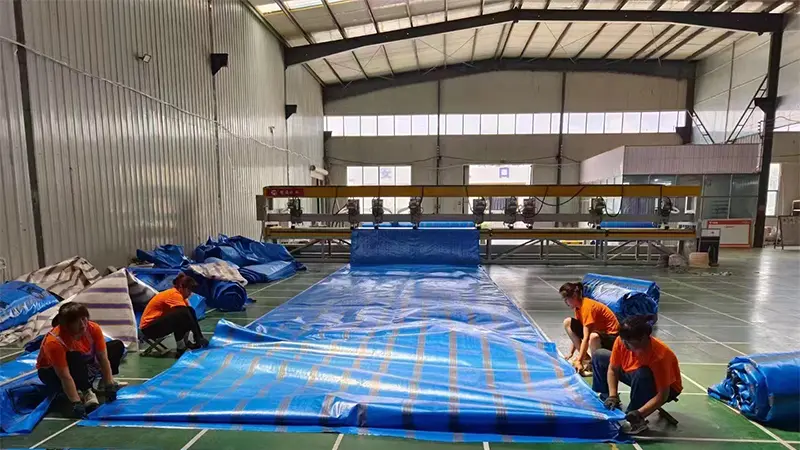
Own extrusion line
Flat-loom weaving
2.0 m and 4.0 m, one pass
What the extrusion line actually decides
A tarpaulin is a woven grid sealed inside a coating. The grid carries the load, the coating stops the water, and both start on the same line. When the tape is drawn, its width and its draw ratio set how much load a metre of fabric can carry before it stretches. When the tapes are warped, the density sets how the sheet behaves when it is pulled at an eyelet.
This is why we ask for the service condition before the specification. “200 g/m²” tells you what the sheet weighs. It does not tell you whether it will still be 200 g/m² after a season of wind, or whether the eyelet will hold.
Fabric weight
Finished width
Tape
Warp density
Colour
Roll format

Tape extrusion
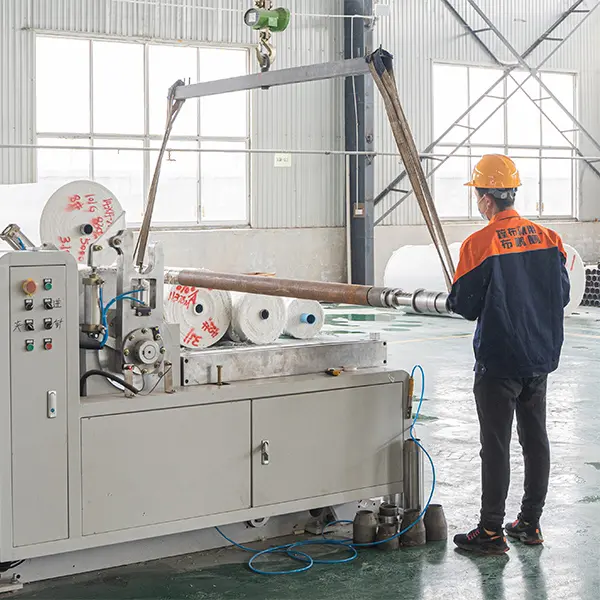
Warping
Weaving
From granules to a beam
Resin and colour agreed
Tape drawn and beam warped
Greige released
What goes into the tape
Virgin HDPE

Reprocessed HDPE
Options set at the line

UV stabilised
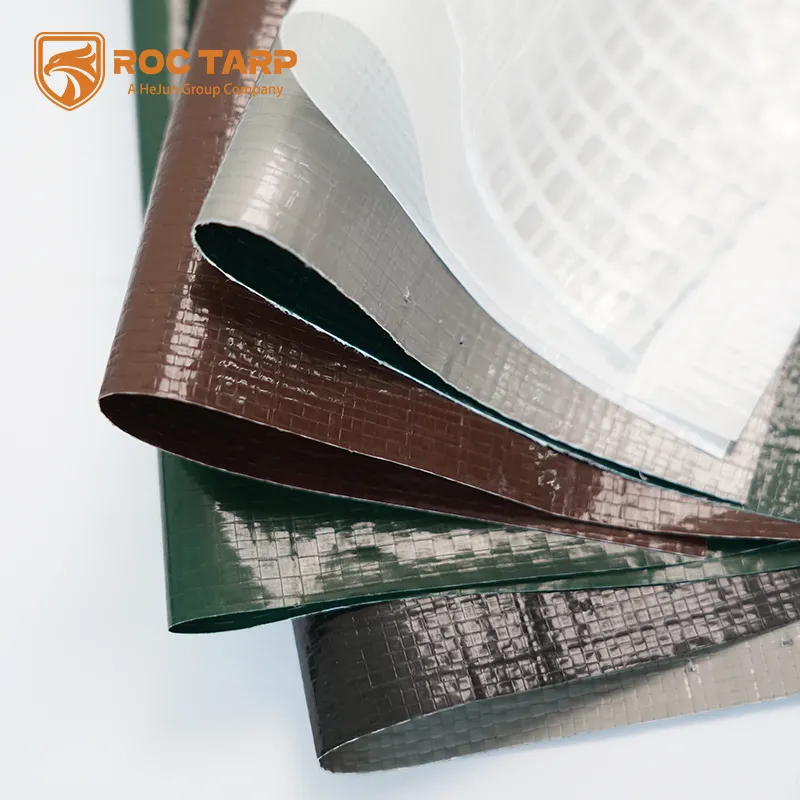
Colour masterbatch

Slit to order
Fabric weight
Finished width
Roll length
Weave density
What to settle before we warp a beam
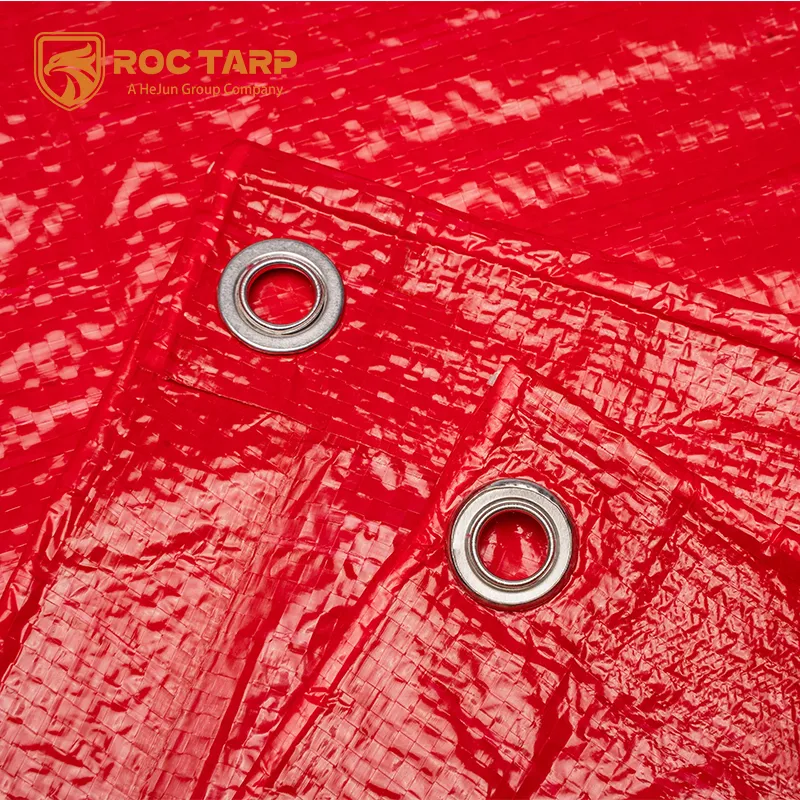
Start with the service condition
Width before length

Colour and UV together

Roll or sheet
What leaves the line
Greige is weighed and inspected before it leaves the weaving floor. A roll that is light does not get a second pass — it gets held, because a light roll means the tape or the density drifted.
The record travels with the roll: gram weight, width, density count and the colour reference. If a container arrives and something is wrong, that record is how we find out where on the line it happened.